
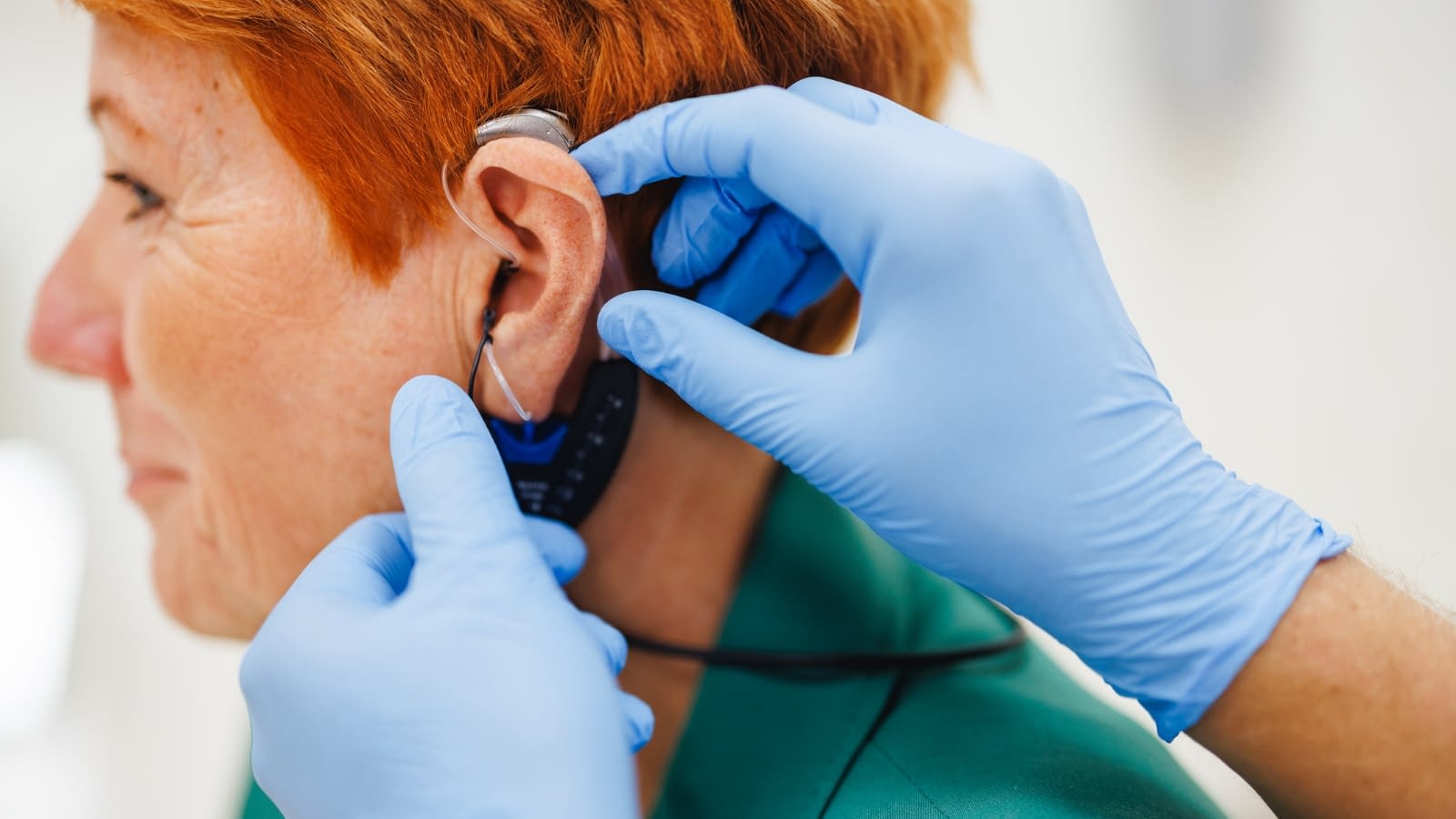
One of the most common misunderstandings about Medicare is what it covers when it comes to dental, vision, and hearing care. Many people are surprised to learn that Original Medicare’s coverage in these areas is fairly limited, which makes it worth understanding your options ahead of time rather than after a need arises.
What Original Medicare Covers
Original Medicare (Parts A and B) generally does not cover routine dental care, such as cleanings, fillings, or dentures. There are limited exceptions, such as certain dental services that are medically necessary as part of a covered procedure, like an examination required before certain heart surgeries.
The same general pattern applies to vision and hearing. Original Medicare typically doesn’t cover routine eye exams for glasses or contact lenses, or routine hearing exams and hearing aids. However, Medicare Part B may help cover an annual eye exam for people with diabetes, one pair of glasses or contact lenses following cataract surgery, and diagnostic hearing and balance exams when ordered by a doctor to treat a medical condition.
The Cost of Going Without Coverage
Routine dental, vision, and hearing care can add up to a meaningful expense over time. Dental procedures such as crowns or dentures, a comprehensive eye exam with new glasses, or a pair of hearing aids can each represent a significant out-of-pocket cost without some form of coverage. Understanding this ahead of time, rather than after a need arises, can help beneficiaries plan and budget more effectively, or decide whether supplemental coverage makes sense for their situation.
Why the Coverage Gap Exists
Original Medicare was designed decades ago around a specific scope of medical services, and dental, vision, and hearing care were largely categorized as outside that scope, except when tied directly to a covered medical condition or procedure. This structure hasn’t changed significantly over time, which is why supplemental options have become common.
How Medicare Advantage Plans May Differ
Many Medicare Advantage plans, which are offered by private insurers approved by Medicare, include additional benefits beyond Original Medicare, and this often includes routine dental, vision, and hearing coverage. The specifics, such as annual limits, covered services, and provider networks, vary significantly from plan to plan, so it’s important to review the details of any plan you’re considering rather than assuming these benefits are identical across insurers.
Standalone Coverage Options
For those who remain on Original Medicare, standalone dental, vision, or hearing insurance policies are available separately and can help offset the cost of routine care. Some people also choose to budget for these expenses directly, particularly if routine care needs are minimal.
Comparing Standalone Plans and Medicare Advantage Benefits
If you’re weighing a standalone policy against a Medicare Advantage plan’s built-in benefits, it can help to compare the annual coverage limits, which provider networks are included, and any waiting periods before certain services are covered. A standalone dental plan, for example, may offer a broader choice of dentists in some areas, while a Medicare Advantage plan’s dental benefit might be more limited in scope but bundled conveniently with other coverage. Neither option is inherently the right choice for everyone, so it’s worth comparing the specifics against your own anticipated needs.
Questions Worth Asking During Enrollment
- Do I anticipate needing routine dental, vision, or hearing care in the coming year?
- Does a Medicare Advantage plan in my area offer these benefits, and what are the annual limits?
- Would a standalone dental, vision, or hearing policy make more sense for my situation?
Planning Ahead for These Costs
Understanding this coverage gap ahead of time can help you plan for these costs, whether through a Medicare Advantage plan, a standalone policy, or your own budget.
Paradise Palms Insurance Agency can help you compare Medicare options and understand what dental, vision, and hearing benefits may be available to you. Contact us at (949) 338-9202 or request a consultation online.